
Understand Your Sensory Patterns
A focused sensory profile to help you understand how you respond to different types of sensory information and how those patterns may affect everyday life, work, study and wellbeing.
The aim is not simply to identify sensory preferences, but to make sense of what may be happening and consider practical ways of making environments and demands work better for you.
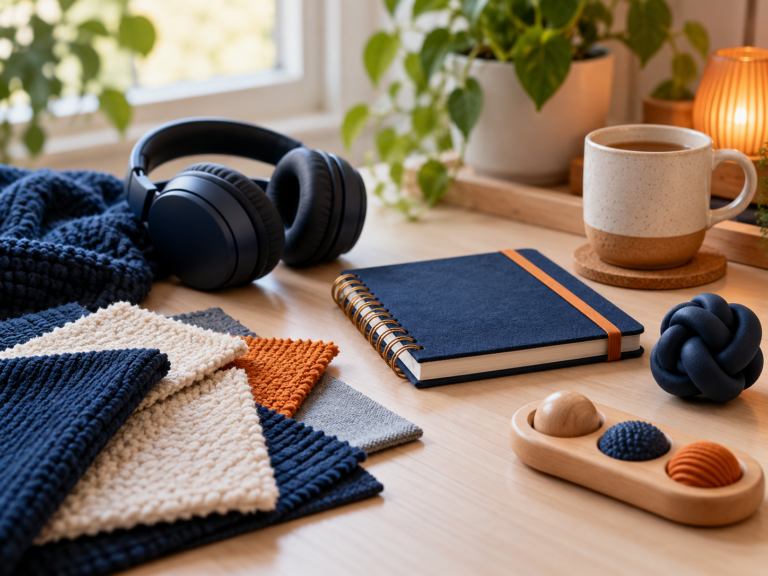
Adults wanting to understand their sensory needs
Particularly where sound, light, touch, movement, busy environments or other sensory experiences seem to affect comfort, concentration or everyday functioning.
Your individual sensory pattern
Looking at how different types and levels of sensory input may be experienced and the situations in which those patterns matter most.
Not a diagnostic assessment
The Sensory Profiler is designed to improve understanding and inform practical strategies rather than provide a neurodevelopmental diagnosis.
When Your Environment Has a Bigger Impact Than People Realise
Sensory differences can influence concentration, comfort, energy and participation. Understanding the pattern can make it easier to identify what is happening and what may help.
Noise & busy environments
Background noise, several conversations or unpredictable sounds may make it much harder to concentrate or remain comfortable.
Light & visual input
Bright lighting, screens, visual clutter or highly stimulating environments may have a noticeable impact.
Touch, texture & physical sensations
Clothing, textures, temperature, physical contact or other bodily sensations may be particularly noticeable or distracting.
Movement & sensory regulation
You may find movement, pressure or particular types of sensory input help you concentrate, settle or feel more regulated.
Understanding Your Sensory Experience in Context
The important question is not simply whether you are sensitive to a particular sensation. It is how your sensory patterns interact with the environments and demands around you.
What do you notice strongly?
Exploring the types of sensory information that tend to stand out or demand more of your attention.
What helps your system feel right?
Considering the sensory experiences, movement or input you may naturally seek because they help with focus, comfort or regulation.
When does it matter most?
Looking at how sensory experiences interact with work, study, home, travel, social situations and everyday environments.
What happens when demands build?
Understanding how sensory load may affect concentration, fatigue, comfort, communication or your ability to remain in an environment.
Move From “I Don't Like It” to Understanding Why
Having clearer language for your sensory experience can make it easier to recognise patterns earlier and make more deliberate decisions about environments, routines and support.
Notice patterns earlier
Understand which environments or combinations of sensory input are more likely to become difficult.
Describe what you need
Develop clearer language for communicating sensory needs to other people where that would be useful.
Make practical changes
Consider realistic ways to alter environments, manage exposure or introduce helpful sensory input.
Applying the Profile to Everyday Life
Work environments
Understanding how noise, lighting, interruptions, shared spaces or other environmental demands may affect you.
Learning environments
Considering where and how you concentrate best and what environmental factors may make studying more difficult.
Home, travel & social situations
Making sense of sensory demands across everyday routines and environments rather than viewing each difficulty in isolation.
Book a Sensory Profiler
Build a clearer picture of the sensory experiences that affect you and consider practical ways of working with your individual pattern.
Sensory Understanding, Not Diagnosis
Understand individual patterns
The focus is on identifying sensory patterns and understanding how they may affect you in different situations.
It does not diagnose ADHD or autism
Sensory differences can occur alongside many different profiles. The Sensory Profiler does not provide a neurodevelopmental diagnosis.
Use the insight in everyday life
The aim is to help you understand your sensory experience and make practical decisions around environments and strategies.
Before You Book
Do I need a diagnosis?
No. The purpose of the Sensory Profiler is to understand your individual sensory patterns rather than confirm a diagnosis.
Does this diagnose sensory processing disorder?
No. The service provides sensory profiling and practical understanding rather than a separate medical or neurodevelopmental diagnosis.
Can sensory differences affect concentration?
Yes. For some people, sensory input such as noise, light or movement can take up significant attention and make other tasks harder to manage.
Can this be useful for work?
Yes. Understanding your sensory patterns may help you think more clearly about working environments and the conditions that support concentration and comfort.
How much does the Sensory Profiler cost?
The Sensory Profiler costs £65.
Understand What Your Senses Are Telling You
Book your Sensory Profiler or get in touch if you are unsure whether this is the right service for what you want to understand.